Key Takeaways
- Change Management Models vs. Methodologies: Understand the difference to effectively implement change.
- Top 5 Models: Explore Lewin’s, Kotter’s 8-Step, McKinsey 7S, Prosci’s ADKAR, and Changemethod’s own model.
- Selection & Customization: Learn how to choose and tailor the right model for your organization’s specific needs.
Change management model vs. change management methodology
Before diving into the specific change management models, it’s crucial to understand the distinction between a change management model and a change management methodology. While these terms are often used interchangeably, they refer to different aspects of the change management process.
Definition of Change Management Model
A change management model provides a conceptual framework or theory for understanding and managing change. It offers a high-level overview of the change process, often identifying key stages or factors that influence successful change. Models help us to understand “what” change looks like and the underlying dynamics at play.
Definition of Change Management Methodology
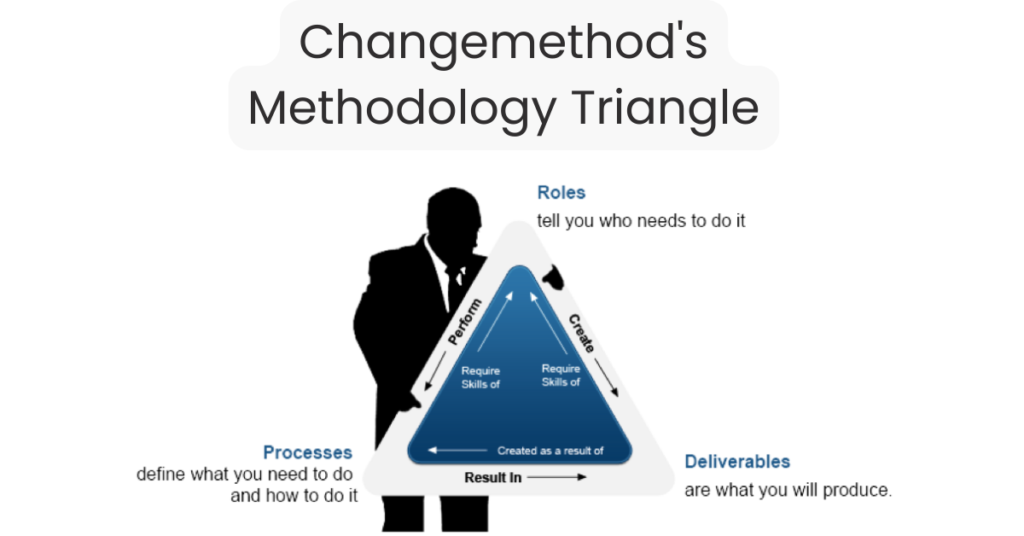
A change management methodology, on the other hand, is a structured approach or set of systematic procedures for implementing change. It provides a more detailed, step-by-step guide for executing change initiatives, often including specific tools, templates, and techniques. Methodologies focus on “how” to implement change effectively. In summary, change management models provide the theoretical foundation, while change management methodologies offer the practical application and execution strategies.
Popular Change Management Models
Let’s explore five game-changing change management models that have proven effective organizational change management in various organizational contexts:
1. Lewin’s Change Management Model
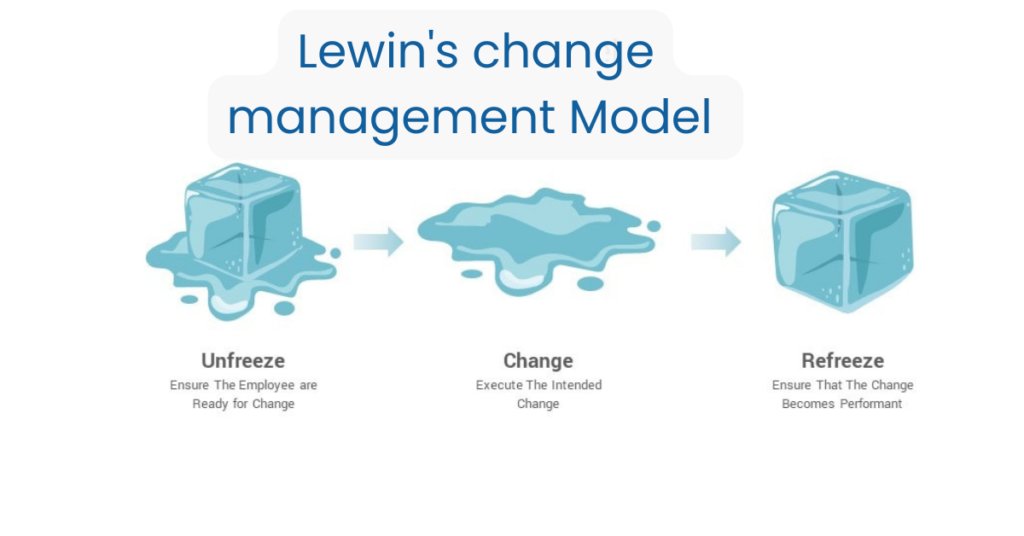
Developed by Kurt Lewin in the 1940s, this model is based on the concept of unfreezing, changing, and refreezing.
- Unfreezing: This stage involves breaking down the existing status quo and preparing the organization for change. It requires clear communication about the need for change and addressing any resistance.
- Changing: This is the implementation phase where new processes, behaviors, or structures are introduced. It involves active participation, support, and training for employees.
- Refreezing: The final stage focuses on stabilizing the change and making it the new norm. It involves reinforcing desired behaviors and integrating the change into the organization’s culture.
2. Kotter’s 8-Step Change Management Model
Created by John Kotter, this model outlines eight steps for leading transformational change:
- Create a Sense of Urgency: Help others see the need for change and the importance of acting immediately.
- Build a Guiding Coalition: Assemble a group with enough power to lead the change effort.
- Form a Strategic Vision and Initiatives: Clarify how the future will be different from the past and how you can make that future a reality.
- Enlist a Volunteer Army: Get as many people as possible excited and willing to act on the vision.
- Enable Action by Removing Barriers: Remove barriers to change, change systems or structures that seriously undermine the vision, and encourage risk-taking and non-traditional ideas, activities, and actions.
- Generate Short-Term Wins: Plan for achievements that can easily be made visible, follow-through with those achievements and recognize and reward employees who were involved.
- Sustain Acceleration: Use increased credibility to change systems, structures, and policies that don’t fit the vision. Hire, promote, and develop employees who can implement the vision.
- Institute Change: Articulate the connections between the new behaviors and organizational success, and develop the means to ensure leadership development and succession.

3. McKinsey 7S Change Management Model
Developed by consultants at McKinsey & Company, this model analyzes seven internal aspects of an organization that need to be aligned for it to successful change to be successful:
- Strategy: The plan devised to maintain and build competitive advantage over the competition.
- Structure: The way the organization is structured and who reports to whom.
- Systems: The daily activities and procedures that staff members engage in to get the job done.
- Shared Values: The core values of the company that are evidenced in the corporate culture and the general work ethic.
- Style: The style of leadership adopted.
- Staff: The employees and their general capabilities.
- Skills: The actual skills and competencies of the employees working for the company.

4. Prosci’s ADKAR Change Management Model
This goal-oriented model focuses on individual change and outlines five outcomes that an individual must achieve for a change to be successful:
- Awareness: Awareness of the need for change.
- Desire: Desire to support and participate in the change.
- Knowledge: Knowledge of how to change.
- Ability: Ability to implement required skills and behaviors.
- Reinforcement: Reinforcement to sustain the change.

5. Lewin’s Force Field Analysis
While often considered a standalone tool, Lewin’s Force Field Analysis is a powerful model for understanding the forces driving and restraining change. It involves identifying the driving forces (positive forces for change) and restraining forces (obstacles to change) and analyzing how to strengthen the driving forces and weaken the restraining forces.
Changemethod’s Change Management Model
Changemethod offers a comprehensive change management model that integrates best practices from various models and methodologies. Our model helps us emphasize a holistic approach, addressing strategy, leadership, engagement, performance, organization design, and measurement.

It is designed to be flexible and adaptable, allowing organizations to tailor their change management approach to their specific needs and context.
Selecting the right change management model or methodology
Choosing the most appropriate change management model or methodology for your organization depends on several factors, including the nature of the change, the organization’s culture, and the available resources.
Assessing Organizational Needs
Before selecting a model or methodology, conduct a thorough assessment of your organization’s needs and readiness for change. Consider factors such as:
- The scope and complexity of the change
- The organization’s history with change
- The level of employee resistance
- The availability of resources and expertise
Evaluating Model/Methodology Suitability
Once you have a clear understanding of your organization’s needs, evaluate the suitability of different models and methodologies. Consider how well each model aligns with your organization’s culture, values, and strategic goals. Look for models that offer a structured yet flexible approach, allowing for customization and adaptation.
Integrating Multiple Models/Methodologies
In some cases, it may be beneficial to integrate elements from multiple models or methodologies to create a customized approach. For example, you might use Kotter’s 8-Step Model as a high-level framework while incorporating Prosci’s ADKAR model for individual change management.
Case Study: High Growth Software and Services Firm A high-growth software and services firm utilized Changemethod’s model to navigate a significant organizational restructuring. By focusing on shared change purpose and visible change leadership, they successfully aligned their workforce with the new strategic direction, resulting in increased agility and sustained growth.

Implementing Change Management Models on Your Change Project
Successfully implementing a change management model requires careful planning, execution, and monitoring.
Gaining Leadership Support
Secure the commitment and active participation of senior leadership. Their support is crucial for allocating resources, communicating the vision, and modeling desired behaviors.
Training and Capacity Building
Provide comprehensive training and capacity-building programs to equip employees with the knowledge and skills needed to implement the model effectively. This includes training on the specific model or methodology, as well as broader change management competencies.
Monitoring and Adjusting the Implementation
Continuously monitor the implementation of the change management model and make necessary adjustments based on feedback and performance data. Regular reviews and evaluations help ensure that the model remains relevant and effective throughout the change journey.
Case Study: Fintech Subsidiary A fintech subsidiary of a major financial services firm implemented the ADKAR model to drive the adoption of a new digital platform. By systematically addressing Awareness, Desire, Knowledge, Ability, and Reinforcement, they achieved a high user adoption rate and significantly improved operational efficiency.

Changemethod: Off-the-Shelf, Customizable Model and Methodology
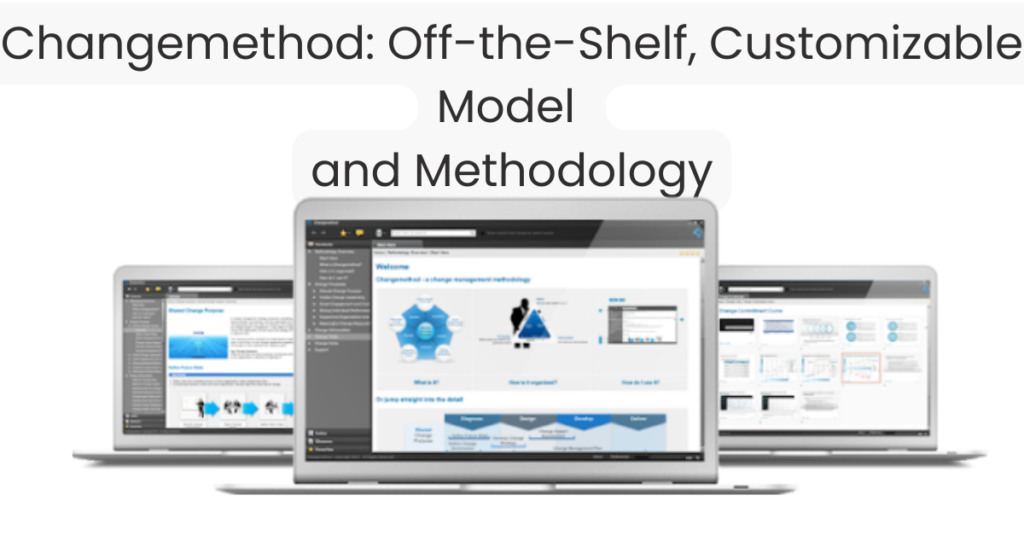
Changemethod provides a robust, off-the-shelf change management model and methodology that can be easily customized to fit your organization’s unique requirements.
Customization and Adaptability
Our tools and templates are designed to be modular and adaptable, allowing you to select and tailor the resources that best meet your project’s needs. Whether you are managing a small-scale process improvement or a large-scale organizational transformation, Changemethod offers the flexibility and depth required for success.
FAQ on Change Management Models and Methodologies
What is the difference between a change management model and a methodology?
A change management model provides a conceptual framework for understanding change, while a methodology offers a structured, step-by-step approach for implementing change. Models focus on the “what” and “why,” while methodologies focus on the “how.”
How do I choose the right change management model or methodology for my organization?
Assess your organization’s specific needs, culture, and the nature of the change. Evaluate different models and methodologies based on their alignment with these factors. Consider integrating elements from multiple approaches to create a customized solution.
Can I use multiple change management models or methodologies simultaneously?
Yes, integrating multiple models or methodologies can often provide a more comprehensive approach. Ensure that the selected approaches complement each other and align with your overall change strategy.
How can Changemethod support my organization in implementing change management models and methodologies?
Changemethod offers a comprehensive suite of customizable tools, templates, and guides that align with leading change management models and methodologies. Our resources help you plan, execute, and monitor change initiatives effectively.
How do I ensure the successful implementation of a chosen change management model or methodology?
Gain leadership support, provide training and capacity building, and continuously monitor and adjust the implementation. Engage stakeholders throughout the process and communicate clearly and consistently.
Start managing change like a pro.
Join 10,000+ practitioners who rely on the ChangeMethod toolkit to deliver successful transformation.


